


Pakistani dramas have always been loved across the world for their realistic portrayal of emotions, relatable family values, and strong storytelling. Over the years, Pakistani dramas have managed to stand apart from other South Asian entertainment industries by focusing on social issues, cultural representation, and deep character development. From iconic romantic hits to intense social commentaries, Pakistani dramas have always captured the attention of viewers with meaningful stories that mirror our society. However, in recent years, a new and rather concerning pattern has emerged on television – the portrayal of teacher-student romances.
After decades of producing stories centered on saas-bahu conflicts, family rivalries, and class differences, the industry finally began exploring new narratives. Audiences were excited to see unique stories being told. However, the introduction of teacher-student romance in Pakistani dramas has left many fans uncomfortable. Viewers are now questioning whether these storylines are appropriate or if they are crossing a moral boundary. While artistic freedom is important, the media also has a responsibility to shape public perception responsibly.
A teacher holds a sacred place in our culture and religion. In Islam, a teacher is considered a second parent, someone who guides students not only academically but also morally. Therefore, romanticizing a teacher-student relationship on screen can blur ethical lines and send a confusing message to viewers, especially younger audiences. Even if both characters are adults, this dynamic is widely viewed as inappropriate within our society. Despite this, many Pakistani dramas have recently normalized such relationships, sparking debates on social media and in entertainment circles.
Watch Why are Pakistani dramas showing teacher-student romance?
Fans argue that by promoting this type of love story, Pakistani dramas are unintentionally trivializing the values of respect, boundaries, and mentorship. The intention may not be harmful, but the impact is significant. Let’s explore the dramas that have sparked this controversy and discuss why these portrayals can be harmful to society and the perception of education.
Main Manto Nahi Hoon
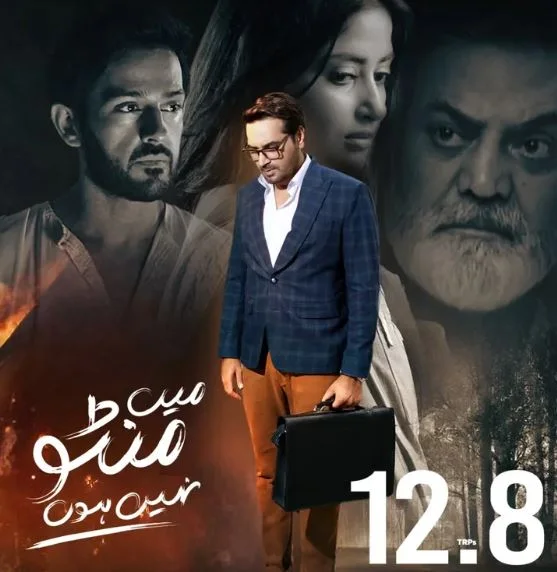
One of the most talked-about examples of teacher-student romance in Pakistani dramas is Main Manto Nahi Hoon. The show brought together some of the biggest names in the industry, including Humayun Saeed, Khalil ur Rehman Qamar, and Nadeem Baig. Expectations were sky-high, and the drama did receive massive viewership in its initial episodes. However, as the story progressed, the inclusion of a teacher-student romance left many viewers uncomfortable.
In the drama, Manto is a much older teacher, while Mehmal is a young student deeply infatuated with him. Their bond quickly turns from admiration to obsession, and what was once a respectful dynamic becomes a full-blown romantic relationship. The issue is not love itself but the power imbalance and age difference between them. Showing a young woman giving up her ambitions for a much older teacher who should be her mentor sends the wrong message. Viewers expressed frustration, arguing that this storyline was unrealistic and inappropriate for Pakistani dramas, which are known to have strong social messages.
What makes this portrayal problematic is how Mehmal’s character was built up as an empowered, independent woman who fought her family to study and achieve something meaningful. Yet, the story reduced her to someone who only cared about being with her teacher. Such storylines distort the concept of education and can affect how real students perceive their teachers and academic relationships.
Zard Patton Ka Bunn
Another example comes from the hit drama Zard Patton Ka Bunn, which initially gained appreciation for its powerful storytelling and message-driven plot. The show starred Sajal Aly as Meenu, a young and strong-willed woman, and Hamza Sohail as Dr. Nofil, her mentor and eventual love interest. The drama highlighted societal struggles and class differences but eventually introduced a romantic angle between the student and the teacher.
Although the romance in this drama was not as aggressive or intense as in other shows, it still created an awkward dynamic. The idea of a teacher falling in love with a student, even if both are adults, raises questions about boundaries. In Pakistani dramas, where millions of young viewers tune in daily, these subtle romantic cues can influence perceptions about acceptable behavior in real life.
What’s surprising is that both characters in Zard Patton Ka Bunn were written with strong moral foundations. Meenu was shown as an ambitious girl who wanted to make a difference, while Dr. Nofil was portrayed as a calm and ethical individual. Yet, their relationship was romanticized in a way that overshadowed their professional bond. Viewers appreciated the performances but criticized the storyline for sending the wrong message.
Biryani
The ARY Digital drama Biryani is another example of how Pakistani dramas continue to explore teacher-student love stories. In this drama, the characters Nisa and Meeran meet when Nisa becomes his tutor. As they spend more time together, their relationship evolves from mentorship into romance. While their age difference may not be significant, the premise still falls under the teacher-student category, which audiences find repetitive and problematic.
This drama once again raises the question: Why are Pakistani dramas repeatedly using this trope? Is it because of the emotional depth it can create, or simply because it’s controversial enough to grab attention? Regardless of the reason, the message that comes across to the viewers is concerning. Teachers should symbolize respect, trust, and mentorship, not romantic desire.
Mann Mast Malang
The recently aired drama Mann Mast Malang was among the most controversial Pakistani dramas of the year. Starring Danish Taimoor and Sahar Hashmi, the show achieved massive viewership, even crossing a billion views online. However, many criticized it for glorifying toxic relationships and problematic power dynamics. One of the central storylines involved a teacher helping his student prepare for exams, which gradually evolved into a romantic connection.
While the chemistry between the leads attracted viewers, the underlying message raised concerns. When Pakistani dramas show such relationships, they subtly romanticize authority figures and blur the ethical lines between mentorship and love. This becomes especially dangerous in a society where teachers are deeply respected and trusted figures. Viewers fear that normalizing such stories could harm that trust and potentially discourage families from supporting their daughters’ education.
Impact on Women’s Education
The biggest danger of romanticizing teacher-student relationships in Pakistani dramas lies in its impact on women’s education. In many parts of Pakistan, especially rural areas, girls already struggle to access quality education. Parents often hesitate to send their daughters to far-off colleges or universities due to safety and social concerns. When dramas depict girls falling in love with their teachers, it fuels the fear that education leads to moral corruption or romantic distractions.
In areas where traditional mindsets still prevail, such portrayals can have real-life consequences. Parents might think twice before allowing their daughters to pursue higher education. Instead of empowering women through education, these dramas could unintentionally reinforce barriers that prevent them from achieving their goals. Pakistani dramas have a powerful influence on public opinion, and thus, such themes must be handled responsibly.
Women in Pakistan already face immense pressure to balance cultural expectations and personal ambitions. Showing female characters abandoning their studies or dreams for romantic pursuits weakens the message of empowerment that the industry has worked so hard to promote. Instead, Pakistani dramas should focus on building stories that inspire women to pursue education and independence.
Branding Women as Love-Brained Characters
Another recurring issue in Pakistani dramas featuring teacher-student romances is the depiction of female characters as emotionally dependent. Many of these stories start with strong, independent women who fight for their rights or education. Yet, once love enters the picture, their focus completely shifts from ambition to affection. This pattern reinforces the harmful stereotype that women are driven more by emotions than intellect.
Characters like Mehmal from Main Manto Nahi Hoon and Nisa from Biryani begin their journeys as motivated individuals but eventually lose their purpose in the name of love. While love is a natural emotion, repeatedly showing women giving up their dreams for it sends the wrong message. Pakistani dramas should celebrate women who can balance both – love and ambition – instead of reducing them to love-obsessed characters.
By promoting such storylines, dramas risk undoing the progress made in representing strong female leads. The industry has produced remarkable characters like Kashaf from Zindagi Gulzar Hai and Falak from Shehr-e-Zaat, who inspired women to think deeply and pursue self-growth. It’s time the industry returns to writing such meaningful roles again.
Propagating Love Over Ambition
In Pakistani dramas, there is a recurring trend where male characters are portrayed as ambitious professionals, while female characters often revolve around their romantic interests. When teacher-student romances are added to this mix, it strengthens the stereotype that a woman’s journey is incomplete without love. It suggests that no matter how ambitious she is, her story must eventually revolve around a man.
This portrayal can have lasting effects on young viewers. It creates an impression that success, education, or career goals are secondary to finding love. This mindset not only undermines women’s ambitions but also limits their representation on screen. Pakistani dramas have the power to shape cultural ideals, and they should use that influence to highlight equality, respect, and ambition rather than reinforcing outdated notions.
Instead of glorifying romance between mentors and students, writers should explore meaningful teacher-student relationships based on mutual respect, learning, and growth. These can be just as emotional and inspiring without crossing moral boundaries. For instance, a drama about a teacher empowering a student to achieve greatness or a student transforming a teacher’s perspective can still captivate audiences without romantic involvement.
Cultural and Ethical Responsibility
The entertainment industry holds immense power in shaping the moral compass of society. When Pakistani dramas normalize problematic relationships, they inadvertently send a message that such dynamics are acceptable. The issue here is not love itself but the misuse of positions of authority and trust. Teachers are meant to guide, nurture, and educate. Their relationship with students should remain one of mentorship, not romance.
In a society like Pakistan, where media is one of the strongest forms of cultural expression, filmmakers and writers need to understand their social responsibility. Stories that blur moral lines can desensitize viewers, especially younger audiences who may idealize these relationships without understanding the ethical implications.
There’s a need for more mature storytelling that acknowledges love and attraction as natural human experiences but presents them within socially and ethically acceptable boundaries. With the talent and creativity that the Pakistani drama industry possesses, there is no shortage of stories that can inspire, empower, and entertain.
Conclusion
To conclude, Pakistani dramas have long been admired for their storytelling and cultural depth. However, portraying teacher-student romances risks undermining the very values that make our television industry respected worldwide. Such portrayals not only create discomfort among viewers but also threaten to influence societal perceptions in ways that could harm educational and moral standards. While art should reflect all aspects of life, it should also be responsible enough not to romanticize relationships that blur ethical lines.
Instead of continuing this controversial trend, Pakistani dramas should focus on narratives that uplift and empower women, encourage education, and celebrate ambition. The audience today is intelligent and socially aware, and they deserve content that respects their values while offering meaningful entertainment.
Frequently Asked Questions (FAQs)
Q1: Why are Pakistani dramas showing teacher-student romance?
A: Some writers use teacher-student romance as a dramatic element to add emotional depth or controversy. However, many viewers believe it’s unnecessary and sends the wrong message to audiences.
Q2: Is teacher-student romance acceptable in Pakistani culture?
A: No, it is generally viewed as inappropriate. In Pakistani culture, teachers are respected figures, often compared to parents, so a romantic relationship between a teacher and student crosses ethical and cultural boundaries.
Q3: How does showing such relationships affect society?
A: It can negatively impact public perception of educational spaces and may discourage families from sending their daughters to study away from home due to misplaced fears of romantic entanglements.
Q4: What should Pakistani dramas focus on instead?
A: Pakistani dramas should prioritize stories that promote women’s empowerment, education, equality, and realistic relationships built on respect and shared goals.
Q5: Are viewers reacting negatively to these storylines?
A: Yes, many fans have expressed disappointment and frustration online, urging drama creators to move away from teacher-student romance themes and return to meaningful, socially responsible storytelling.
READ MORE: Pakistani Celebrities Share Their Honest Views on Men Having Four Marriages