


The Pakistani drama Jama Taqseem is rapidly gaining attention for its honest depiction of complicated family dynamics and the hidden emotional costs of living in a joint household. Written by the eminent Sarwat Nazir and directed by Ali Hassan, the show explores a setting familiar in many Pakistani homes: three married brothers living together under one roof with their parents. While on the surface this structure may appear idealistic and rooted in tradition, the drama strips away the veneer to expose the burdens, resentments and buried conflicts that often accompany it.
In many ways, Jama Taqseem speaks to a generation caught between two worlds the older generation upholding inherited traditions and the younger generation yearning for autonomy, dignity and space. It reminds us that sometimes love, sacrifice and unity come with invisible costs. It shows how the very values meant to bind families together can, if unexamined, become chains rather than wings.
What makes Jama Taqseem particularly compelling is that it doesn’t just present these issues as abstract social commentary. Viewers see characters who are deeply human, flawed, caught in decisions they did not always choose. The drama invites reflection, not just entertainment. Its narrative makes one ask: What am I silently tolerating? What expectations have shaped my family? Throughout this post, we’ll explore ten powerful messages that Jama Taqseem imparts lessons about relationships, respect, tradition, autonomy and the courage to reshape one’s life. While the drama is set within Pakistani cultural context, many of its truths resonate more universally.
Watch 10 Powerful Messages in Jama Taqseem

Islamic Point Of View On Joint Families
One of the foundational themes of Jama Taqseem is the joint family system a form deeply romanticised in popular media and cultural memory. Yet the drama shows the darker side: lack of privacy, suppressed individuality and the weight of collective expectations. Jama Taqseem challenges the notion that living under one roof necessarily equals happiness. From the storyline, the drama underscores that in Islam, a man is responsible for giving his wife a separate home and privacy a point often overlooked in cultural discourse. This is not a condemnation of extended families, but a reminder that mutual respect, autonomy and dignity should not be sacrificed for tradition.
The message here is subtle but firm: The blessing of family unity becomes a burden if individual rights and freedom are neglected. Jama Taqseem calls us to evaluate whether “togetherness” is actually enabling everyone to live fully or quietly stifling some members.
Rigidity Of Older Generation
Another core message in Jama Taqseem is the danger of rigidity and refusal to adapt. The older generation characters in the drama refuse to allow new ideas, cling to authority and suppress change even when the family structure is clearly causing harm. In doing so, Jama Taqseem highlights how this insistence on “we know best” mindset can lead to emotional isolation, suppression and resentment.
By showing how characters resist change even at the expense of others’ dignity the drama teaches that tradition without reflection can become tyranny. It encourages viewers to question not only what traditions they follow but why. Are these values uplifting? Or merely a legacy of unasked questions?
Teenage Cousins Living Under One Roof
In one of its most daring plotlines, Jama Taqseem explores the reality of teenage cousins living together in a large joint family and the risks it can carry. The drama portrays how normalized proximity without healthy boundaries can lead to mistrust, harassment and deep psychological scars. This portrayal resonates because it reflects real situations rarely discussed openly in our media.
The message conveyed is that “family” is no guarantee of safety. Living near loved ones does not ensure well-being unless respect, awareness and voice are present. Jama Taqseem therefore encourages its audience to recognize that the comfort of family cannot be substituted for the necessity of communication and boundaries.
Shared Business – Blessing Or Curse?
Money and business are often taboo areas within families, but Jama Taqseem dives deep into how shared business ventures especially within a family can become breeding grounds for conflict. One brother invests heavily, feels entitled, manipulates decision-making; another feels undervalued and powerless. The result: tension, betrayal, loss of respect and breakdown of relationships.
Through this storyline the drama conveys a crucial lesson: Wealth shared without fairness, transparency and respect often becomes a curse rather than a blessing. Jama Taqseem encourages families to view business as a tool for dignity and empowerment not control and resentment.
Hidden Contempt Towards Girl Child
Despite the surface of normalcy, Jama Taqseem reveals how deep-rooted misogyny, gender preference and contempt for girls persist quietly in many homes. The drama shows how a family openly values a grandson over a granddaughter, how the father’s respect shifts with the gender of the child, and how female children are burdened with extra work and less dignity.
This message is potent: The heartbreak of girls feeling secondary, unseen and undervalued still exists. Jama Taqseem asks us to reflect on how we treat our children, not just in word but in action. Are we valuing them equally? Are we giving our daughters the same freedom our sons receive? The drama echoes that progress starts in the home.
Household Chores
In an era where men helping with household chores is often ridiculed, Jama Taqseem brings a refreshing view. It shows how one male character faces public derision simply because he helped his wife with laundry a simple act. At the same time, the female protagonist from an elite background is shown how ill-prepared she is to handle the basic chores of daily living.
The message here is two-fold: One, helping at home is not a weakness it is part of partnership; two, being sheltered does not prepare one for life’s realities. Jama Taqseem gently reminds us that dignity arises in participation, not in avoidance.
Social Parity in Marriage Matters
Jama Taqseem tackles the collision of social backgrounds in marriage: one spouse from a liberal, nuclear family; the other from a conservative joint family. The drama shows how the mismatch of expectations, lifestyle and freedom quickly becomes a battleground.
The lesson? Marriage is not just about two individuals but two worlds. Social parity where partners support each other and adjust not only personally but culturally and socially is critical. Jama Taqseem underlines that fairness, empathy and shared vision matter far more than status, sacrifice or silence.
Parents Shape The Path Ahead
Another recurring theme in Jama Taqseem is the way parents lay the groundwork for their children’s future sometimes without realizing it. The drama shows that those parents who gave freedom and balanced support raised children capable of decision-making; while those who imposed delusions of superiority or compliance shaped children trapped in cycles of resentment and silence.
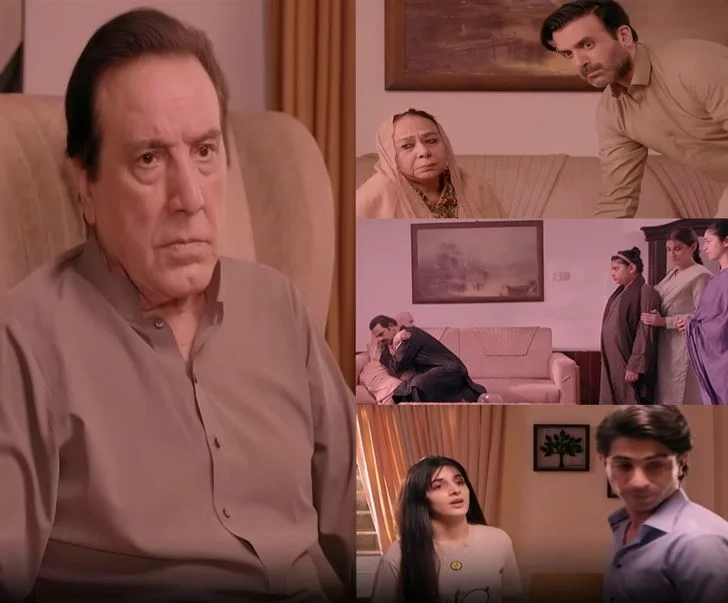
The message here for parents is clear: Your words, values and behaviours are being internalised. Are you building autonomy or dependency? Jama Taqseem sends a wake-up call that parenting is not just about comfort it is about enabling children to stand on their own feet.
Importance Of Listening To Your Children
Jama Taqseem emphasises how ignoring children’s voices, especially in emotionally charged households, can lead to deep wounds and lifelong scars. One subplot shows a daughter who tried to speak out but was dismissed. The result? Pain, silence, suppression and distance.
Hence the message: Listening is not optional it is essential. It is a protective act, a sign of respect and a foundation for trust. The drama educates viewers that when parents stop listening, children stop speaking and that void is often filled with regret.
Unrealistic Expectations From New Brides
Finally, Jama Taqseem addresses the myths around new brides: the expectation that she should instantly adapt, cook for large families, suppress her background and personality all without time to breathe or learn. The drama shows how such demands break spirits, skew self-worth and create silent conflict.
The lesson: Marriage should not mark the end of identity but the beginning of a partnership. Jama Taqseem invites in-laws and families to offer support not control, patience not pressure. It reminds us that respect, time and freedom help growth not perfection from day one.
In sum, Jama Taqseem is far more than just a drama it is a mirror held up to society. It challenges our assumptions about family, roles and tradition, inviting dialogue and reflection. Each of the ten messages above points to one truth: Stability built on silence, suppression and hidden resentment is no stability at all. Real stability comes with dignity, dialogue and space.
If you watch Pakistani drama Jama Taqseem with an open mind, you’ll find it not just entertains you it also teaches you. It teaches you about how family can be both strength and trap, how change is scary but necessary, and how love is not simply staying together but growing together.
As viewers, we can take away these lessons not just watch the story unfold but reflect: What am I holding on to? What am I silently enduring? What kind of future do I want for my family?
With its honest storytelling, relatable characters and bold themes, Pakistani drama Jama Taqseem invites us to look inward and perhaps begin to change outward.
READ MORE: Why Pakistani Dramas Are Better Than Indian Serials