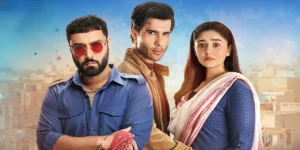

Hum TV has long been regarded as one of the “big three” entertainment channels in Pakistan, standing shoulder to shoulder with ARY Digital and Geo Entertainment. For decades, it has been a powerhouse in producing some of the most iconic Pakistani dramas, many of which are still remembered fondly today. From emotional family sagas to intense love stories, Hum TV has delivered countless hits that set trends, shaped public conversations, and even influenced cultural norms. Shows like Humsafar, Zindagi Gulzar Hai, and Dastaan not only became ratings juggernauts but also achieved cult status, creating stars who went on to dominate the entertainment industry.
However, the golden streak that once defined Hum TV’s success seems to be fading. In recent years, while the channel is trying to diversify its content by exploring new genres and modern themes, the execution has been inconsistent. Many of the newer scripts feel rushed, overly dramatic, or disconnected from reality. Instead of tight, engaging plots, audiences are often getting storylines that lack depth and logical progression. This leads to situations where, if a drama like Ishq Murshid or Meem Se Mohabbat becomes a hit, it ends up getting dragged far beyond its natural conclusion, simply to stretch ratings. This practice not only weakens the story but also frustrates loyal viewers who prefer quality over length.
The latest lineup on Hum TV highlights this struggle. Despite investing heavily in big-name actors, elaborate sets, and promotional campaigns, the results have been underwhelming.
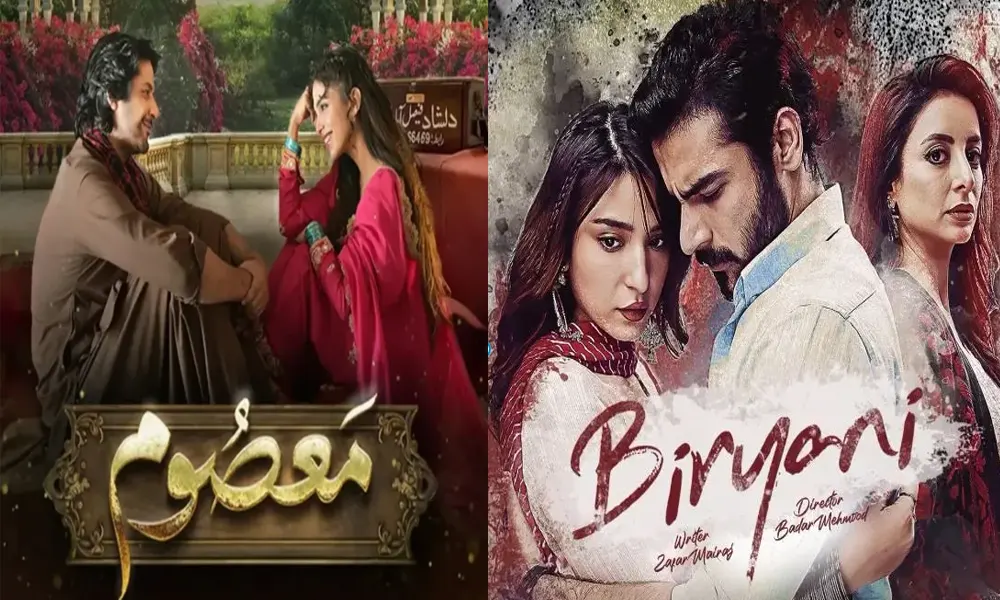
Take Masoom Pakistani Drama, for example. With a stellar cast including Imran Ashraf, Sonya Hussyn, and Mikaal Zulfiqar, expectations were sky-high. Fans hoped for a gripping story with strong performances, but the drama’s opening failed to generate the buzz expected from such a high-profile project. The hype was noticeably lower compared to past launches of similar magnitude.
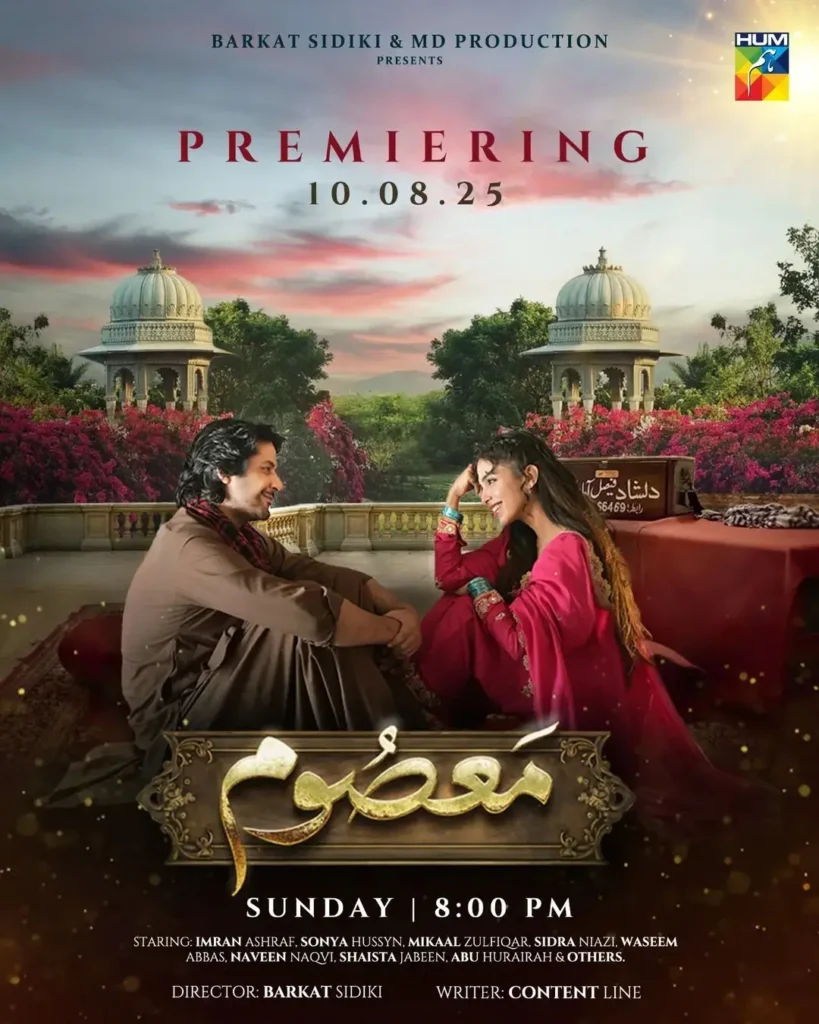
Then there was Shireen Farhad, which starred the immensely popular Farhan Saeed. In theory, this drama had all the right ingredients for success: a beloved lead actor, a romantic premise, and high production value. Yet, when it aired, it quietly came and went without leaving much of a mark. Social media engagement was minimal, and there was little word-of-mouth promotion from viewers — a clear sign that it didn’t connect as intended.
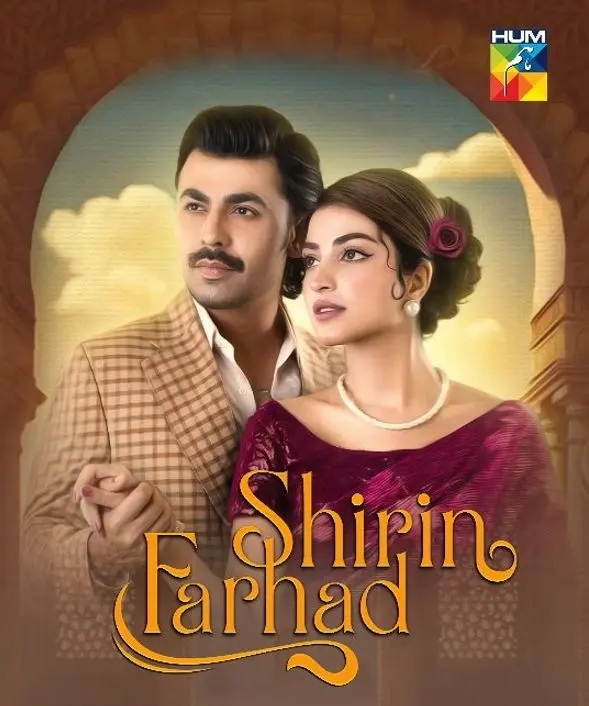
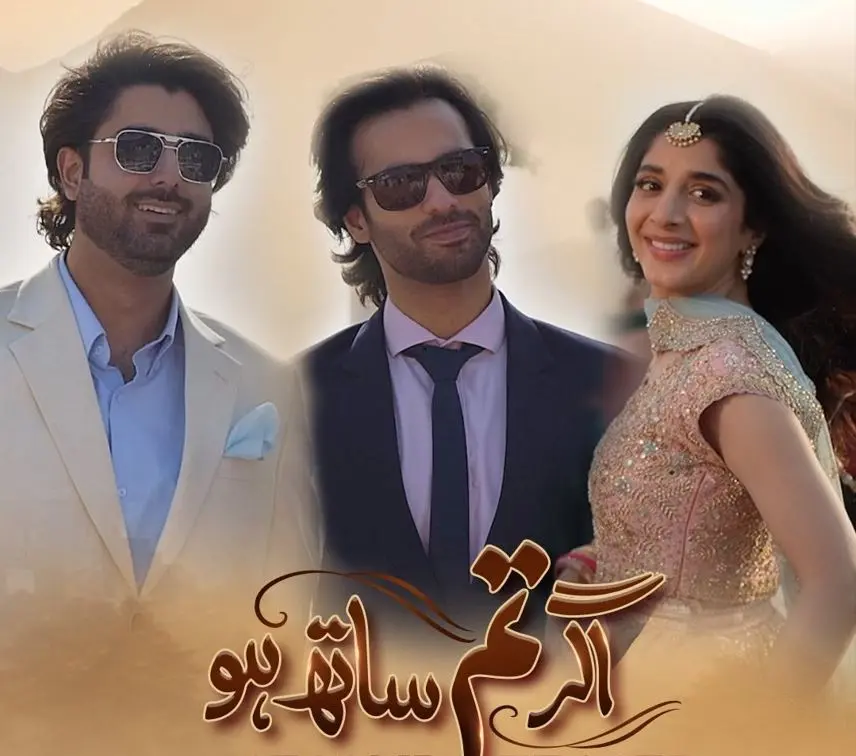
The case of Agar Tum Saath Ho is equally surprising. Featuring the trending on-screen pair Mawra Hocane and Ameer Gilani, it seemed like a guaranteed hit. This couple had previously captured the audience’s attention and was expected to pull in strong ratings. However, the drama suffered the same fate as others: weak storytelling, slow pacing, and a lack of emotional impact. Despite the actors’ chemistry, the script simply did not give them enough to work with, resulting in a lukewarm response.
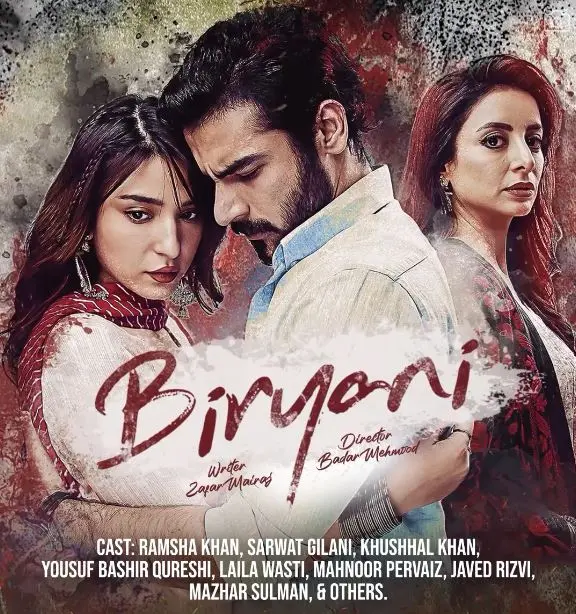
Interestingly, this is not just a Hum TV problem. Even rival channels like ARY Digital are facing similar issues. For instance, their recent release Biryani launched with much curiosity but failed to create significant buzz after its first episode. Viewer numbers were modest, and online discussions were limited. Whether it will improve as the story develops remains to be seen.
The bigger concern here is the overall trend in Pakistani drama production. While new titles are constantly being released, especially by channels like Hum TV, weak scripts are proving to be the biggest obstacle to success. Producers are often prioritizing star power and glossy visuals over strong, original storytelling. This formula might work temporarily, but in the long run, audiences are demanding something more meaningful.
Today’s viewers have more options than ever, with streaming platforms, international dramas, and global content competing for their attention. They no longer watch a show just because it’s on a prime channel. They want tight plots, relatable characters, and stories that feel authentic. If Hum TV and its competitors fail to adapt to these changing demands, they risk losing the loyal audience base they once dominated.
To revive the magic of its golden era, Hum TV needs to focus on developing well-researched scripts, investing in fresh writing talent, and avoiding the temptation to unnecessarily prolong stories for ratings. Only then can it reclaim its position as a trendsetter in Pakistani television. Until that happens, even star-studded casts and big budgets might not be enough to turn misses into hits.
READ MORE: Behind the Scenes: Hiba Bukhari and Feroze Khan in Live Session From Drama Main Zameen Tu Aasman