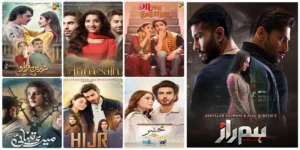

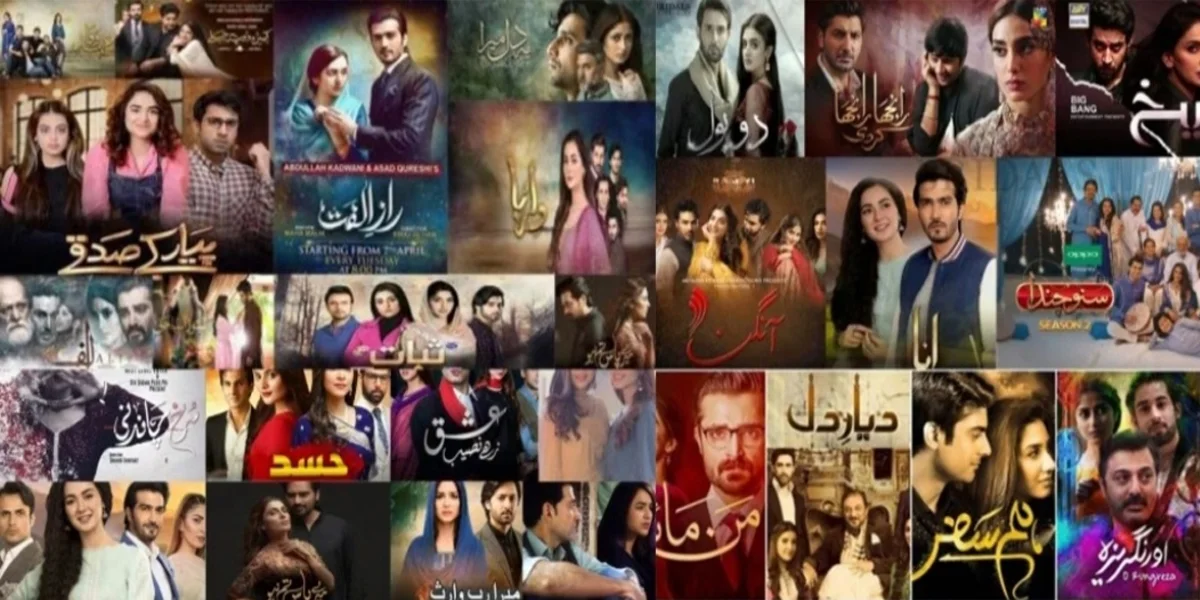
Pakistani dramas have become a true cultural treasure, not only in Pakistan but across the globe. In recent years, these dramas have broken barriers of language, geography, and culture, making their presence felt in regions as diverse as South Asia, the Middle East, Europe, and even North America. What makes them so unique is their ability to blend deep cultural values with modern storytelling in a way that feels relatable and universal. Unlike many entertainment industries that rely heavily on glamour or exaggerated action, Pakistani dramas stand out because they focus on real human emotions, family bonds, and issues that ordinary people face every day.
The rise of Pakistani dramas is also linked with the nation’s long history of producing content that balances social responsibility with entertainment. From the golden era of state-run PTV to the explosion of private channels and now the global reach of digital platforms, Pakistani dramas have consistently evolved while staying true to their roots. They capture the essence of Pakistan’s society—its struggles, traditions, and aspirations—while presenting stories that anyone, regardless of background, can connect with.
This growing global recognition is not a coincidence. The quality of content, the richness of dialogue, the sincerity of performances, and the focus on meaningful storytelling have all played an important role. Over the years, dramas such as Humsafar, Zindagi Gulzar Hai, Mere Pass Tum Ho, and Parizaad have not only become local hits but have also gained massive international audiences. Their popularity shows that the appeal of Pakistani dramas goes far beyond borders.
Pakistani dramas also act as cultural ambassadors. They provide the world with a different lens through which to see Pakistan—a country often portrayed negatively in international media. By highlighting family values, cultural traditions, and the resilience of ordinary people, these dramas help promote a softer, more authentic image of Pakistan. This is why Pakistani dramas are winning hearts worldwide: they represent both the beauty of culture and the universality of human emotions.
READ MORE: 10 Pakistani Dramas That Failed in 2025
The Historical Journey of Pakistani Dramas
The journey of Pakistani dramas began in the 1960s and 1970s with the establishment of Pakistan Television (PTV). During this golden era, dramas were not just entertainment; they were an integral part of household routines. Shows such as Dhoop Kinare, Tanhaiyan, and Ankahi set new standards for writing, direction, and acting. These productions were short in length compared to Indian or Western soap operas, but they were rich in content, which made them memorable for decades.
What made these early Pakistani dramas unique was their simplicity. They did not rely on extravagant sets or unnecessary drama; instead, they focused on powerful scripts and emotional depth. This style of storytelling laid the foundation for what would later become Pakistan’s trademark in the global entertainment world.
Even during times when the media faced political restrictions, Pakistani dramas managed to flourish by telling stories rooted in everyday struggles. Whether it was the journey of young professionals, family conflicts, or love stories tested by society, these dramas reflected reality and connected with people in a way that no other medium could.
As time passed, private television channels emerged, and competition increased. This new era brought with it modern themes, better production quality, and a wider range of topics. Writers such as Haseena Moin, Umera Ahmed, Khalil-ur-Rehman Qamar, and Farhat Ishtiaq created stories that combined cultural authenticity with contemporary relevance, making Pakistani dramas a strong voice in the entertainment industry.
READ MORE: 7 Pakistani Dramas Currently Airing That Are Worth Your Time
Why Pakistani Dramas Stand Out Globally
The question often arises: why do Pakistani dramas resonate so strongly with audiences worldwide? The answer lies in several unique qualities:
- Realistic Storytelling – Pakistani dramas are grounded in reality. Unlike overly glamorous soap operas, these shows depict struggles that feel real, whether it’s a family trying to make ends meet or a young girl facing societal pressure.
- Concise Format – Most Pakistani dramas are between 20 to 30 episodes, keeping the story tight and impactful. This makes it easy for international audiences to follow without losing interest.
- Strong Scripts and Dialogues – Words matter in Pakistani dramas. Iconic dialogues often stay in people’s memories long after the drama ends. This focus on language sets them apart.
- Talented Actors – The industry is blessed with performers like Mahira Khan, Fawad Khan, Sajal Aly, Yumna Zaidi, Humayun Saeed, and many more. Their natural acting style and emotional delivery create a strong bond with viewers.
- Cultural Depth – Pakistani dramas often highlight traditions, festivals, and family structures, giving international viewers a glimpse into the cultural richness of the country.
Pakistani Dramas as Social Commentaries
One of the strongest qualities of Pakistani dramas is their ability to address important social issues. These shows do not shy away from highlighting sensitive topics such as domestic violence, gender inequality, child abuse, drug addiction, or corruption. By weaving these issues into engaging storylines, dramas become a mirror of society and encourage conversations that might otherwise remain hidden.
For example, dramas tackling drug abuse reveal the dark reality of addiction and its impact on families. Similarly, shows about women’s empowerment challenge traditional stereotypes and inspire young women to pursue education and independence. Domestic violence, unemployment, and mental health are also subjects frequently discussed through dramas.
This socially conscious approach not only makes Pakistani dramas meaningful but also allows them to connect with international audiences who may be facing similar challenges in their own societies. In this way, Pakistani dramas transcend cultural boundaries and become universally relatable.
The Global Audience for Pakistani Dramas
Pakistani dramas have a massive following in countries like India, Bangladesh, Afghanistan, and Nepal. Despite political tensions, Indian audiences still admire Pakistani dramas for their strong storytelling and natural performances. Many Indian fans openly express their love for shows like Humsafar and Zindagi Gulzar Hai, proving that art can bridge gaps where politics cannot.
In the Middle East, dramas dubbed into Arabic have become extremely popular. Countries like Saudi Arabia, UAE, and Qatar regularly broadcast Pakistani content, and the cultural similarities make these dramas relatable to Arab audiences.
The diaspora community in Europe, North America, and Australia has also played a huge role in spreading Pakistani dramas internationally. For Pakistanis living abroad, these dramas provide a sense of belonging and a connection to their homeland. For non-Pakistani viewers, they serve as a window into South Asian culture and values.
READ MORE: Senior Pakistani Actors Currently Shining in Dramas
Digital platforms like YouTube and Netflix have further expanded the global reach. Dramas uploaded online receive millions of views within days, proving that demand for Pakistani content is growing rapidly worldwide.
Role of Digitalisation in Expanding Pakistani Dramas
The rise of digital media has transformed the entertainment industry, and Pakistani dramas are no exception. With broadband connectivity and OTT platforms, dramas produced in Karachi or Lahore can be watched in London, New York, or Dubai instantly. This accessibility has made Pakistani dramas truly global.
YouTube channels of Pakistani networks have millions of subscribers, with individual drama episodes crossing 20 to 30 million views. Social media also plays a major role in creating hype, as fans share clips, memes, and discussions. Netflix and other platforms featuring Pakistani dramas have introduced them to completely new audiences who may have never explored South Asian entertainment before.
This digital boom has also increased the need for higher production quality. Audiences worldwide now expect advanced cinematography, sound design, and editing. Pakistani producers are beginning to invest more in technology and creative direction to match international standards, ensuring that their dramas remain competitive on the global stage.
Cultural Diplomacy Through Pakistani Dramas
Pakistani dramas are not just entertainment—they are cultural ambassadors. They project Pakistan’s values, traditions, and history in a positive light, often countering the negative stereotypes portrayed in international media. By focusing on family ties, love, resilience, and morality, these dramas show the human side of Pakistan that the world rarely sees.
Co-productions with countries like Turkey, Iran, and Bangladesh offer exciting opportunities for cultural exchange. A drama based on the life and philosophy of Allama Iqbal, for instance, could introduce international audiences to one of Pakistan’s greatest thinkers. Collaborations can also help Pakistani dramas gain entry into new markets and promote people-to-people connections across borders.
Challenges and the Future of Pakistani Dramas
While Pakistani dramas have achieved remarkable success, challenges remain. The industry needs consistent investment in technology, better training for writers and directors, and platforms that support experimentation. Some critics argue that the industry relies too heavily on repetitive storylines, particularly family conflicts and love triangles. To stay relevant, Pakistani dramas must continue to explore diverse themes such as climate change, migration, unemployment, and mental health—issues that resonate globally.
The recognition of artists is also crucial. Pakistani actors, writers, and directors are natural ambassadors of culture, and their achievements must be celebrated. Initiatives like URAAN Pakistan: Creative & Cultural Economy show that the government is taking steps to nurture the creative industry. More support from both the private and public sectors will help Pakistani dramas grow further.
Pakistani dramas have traveled a long way from black-and-white screens of the 1970s to high-definition productions available worldwide. Their success lies in a unique formula—realistic storytelling, strong dialogues, talented actors, and cultural authenticity. By addressing social issues and projecting a softer image of Pakistan, these dramas have become more than just entertainment; they have become powerful cultural tools.
As digital platforms continue to expand and global audiences grow more diverse, the future of Pakistani dramas looks brighter than ever. With investment, innovation, and cultural collaborations, Pakistani dramas will continue to win hearts worldwide—proving that good stories know no borders.
READ MORE: New Green TV Dramas Coming in October 2025 – Complete Guide